9 p.m. Snacking is not Lack of Willpower, it’s Decision Fatigue: Why Temptation is Greater at Night
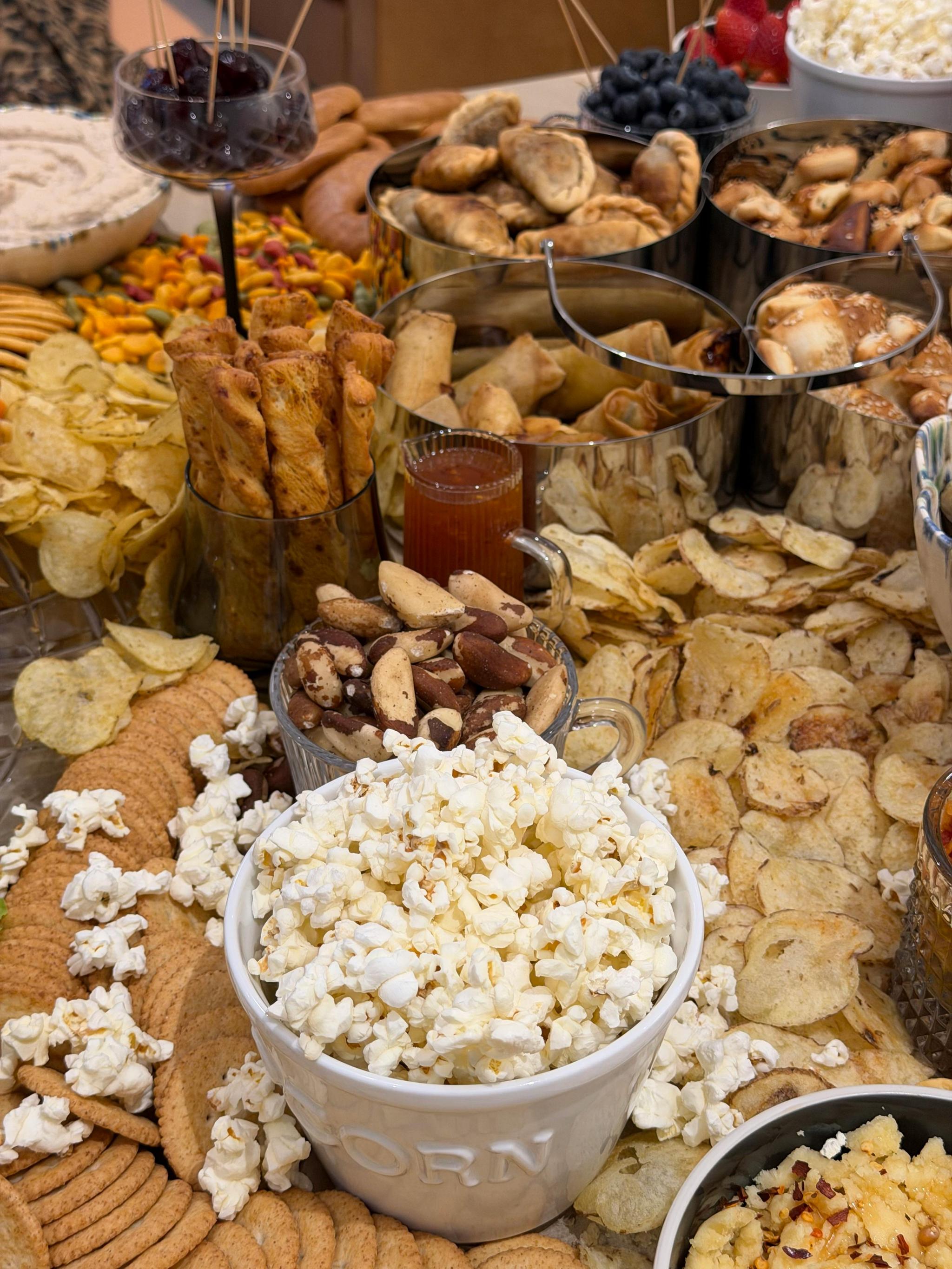
We’ve all been there before; the nine o’clock hour has struck and you find yourself stuck at a crossroads. To snack or not to snack, that’s the apparent question. You stare into the pantry; a variety of salty goodness and sweet, gooey decadence tempts from all angles. Before you know it, you’re elbow-deep in a bag of chips or package of cookies, wondering how you got there. You didn’t put up much of a fight; it was that easy to cave in. This isn’t a sign of weakness or mean that you’re broken. What you’re experiencing is the result of decision-making overload, or better known as decision fatigue. It’s more common than you think.
Decision Fatigue: What is That?
Questioning where the correlation comes into play? On average, adults make roughly 35,000 decisions a day.1 Deciding what to eat, what to wear, what to make for dinner, our brains are actively working throughout the day. By nightfall, the energy to make yet another decision lowers. In fact, energy levels decrease as low as 70%.1 Think of it this way: our brains undergo a constant workout; even if minimal has occurred that day, your brain never stops functioning. Suffice it to say, once the sun sets, our brains are over it. They prefer something easy and comforting, making temptation much harder to resist. And what is the best kind of comfort?
Food.
Why Do Women Experience it More?
Women are master jugglers; we’ve been conditioned to manage it all:
- Household duties.
- Lingering effects from the workday.
- Making sure schedules are made as well as followed.
- Extended caregiving responsibilities.
And to think the list could be longer…
As if the piling responsibilities aren’t enough, we are then faced with hormonal changes that impact energy levels and cravings. We now must learn to navigate what seems to be the concoction for the perfect storm. Your brain seeks relief from it all, and that relief tends to come in the form of something sugary, salty, or crunchy. They don’t call them comfort foods for no reason. Because your brain is burnt out from all that activity, surrendering to the pantry is practically innate.
Distinguishing Between Decision Fatigue and Hunger
Truth is, research is still developing; however, what is clear is that when our batteries are drained, it’s easier to go against our better judgement. It’s 9:00 p.m., and the urge to see what’s inside the pantry—as if we don’t already know—is strong. It becomes a battle between impulse and willpower. Guess who wins?
There’s a pattern to eating at night, and it goes a little something like this:
- It’s not food you’re craving; it’s something specific. Perhaps that box of Little Debbies is calling out to you?
- You’ve earned this. You deserve that snack. Incentive quickly becomes tangible. It’s almost like a sense of urgency comes over you.
- Mindlessly eating, consuming a snack quicker than usual.
- Instant regret. Where’s the gratification you were seeking?
Sound familiar? Remember this isn’t weakness or a character flaw. It’s simply the result of mental overload.
Steps to Reducing Decision Fatigue
Every step taken leads you somewhere, right? Well, what if there were steps you could take that brought you to a place of comfort without feeling bad about it? Steps that are manageable, doable, even. The smallest steps can lead you there.
Step 1. Blueprint your Evenings
If you do this earlier in the day when energy levels are higher, you’ll be less likely to find yourself at that all too familiar crossroad come nighttime:
- Much like storefronts have, put up a sign that clearly states, “The kitchen is closed.” This helps to steer clear of the fridge, pantry, cabinet, wherever those tasty snacks may be.
- Designate time to maybe meditate, take a bath, or indulge in your favorite TV show.
- Do something that keeps you occupied (e.g. coloring, picking up a good book).
Think of this as your time to relax.
Step 2. Better Choices in Snacks
Snacking isn’t a crime. You shouldn’t be punished for it. Food is nourishing, and it should give you gratification. Pre-plan for when those cravings kick in:
- Protein and fiber are your friends. Greek yogurt or cottage cheese with fruit as toppings is tasty.
- Popcorn makes for a great TV companion.
- Veggies and hummus go well together.
You’re allowed to treat yourself, so why not feel good about it?
Step 3. Minimizing Choices
It’s as simple as it looks:
- Trick yourself by keeping certain temptations out of plain sight.
- Organize the area where these temptations reside, making more nourishing options readily available.
This isn’t about restricting yourself; it’s merely simplifying.
Step 4. Create Go-To Methods
You’re done, finished with the day and now you’re looking forward to decompressing. Here are some ways to do so:
- Follow a stretching routine or walk around the room, house, basement, or even in place for a few minutes.
- Water is filling. Have a glass. It might take your mind off that pantry.
- Breathing exercises. Never underestimate the power of breathing.
- Do a body scan, recognize how you’re feeling and what you’re needing. Ask yourself, “What do I need right now?” You may realize it’s not food after all.
- Have a friendly chat with yourself. Remind yourself that you’ve survived another day. You did it, and that’s amazing. Be proud of the work you’ve done.
Let’s End it on a Positive Note
It can’t be emphasized enough: snacking at night isn’t a sign of weakness or failure. It’s a sign that you’ve done a lot of mental work throughout the day and you deserve to relax. You deserve not to feel judged for seeking comfort.
Sources
Baghel, S. Decision Fatigue in Adults: Mental Load, Focus & Stress Help. 2025.1
Post a comment